
We see artists in the news constantly for some big political statement they’ve decided to make with their art whether it be something obvious or more subtle. Artists are have been using more and more visual rhetoric to support their political opinions or critique other’s views, but how did we get here? How did art evolve from portraits and landscape to blunt and eye-catching political statements?
Art is a medium the has shifted purpose over time. Originally used as a way to document what one was seeing, it has evolved over time to be more than just a record. It has become a form of expression. It can be used to communicate emotions, provoke thought, and share experiences.
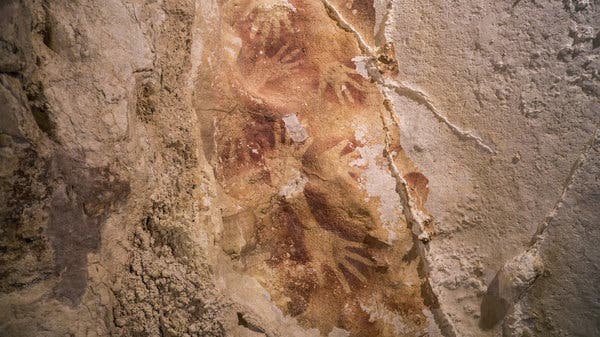
The oldest art found to date is estimated to be done around 40,000 years ago (based on evidence of what was left behind.) This origin of art as we know it lies within the caves once inhabited by our ancestors with the current oldest work being outlines of a hands. This work predates language making it one of the first recorded communication tools known to mankind.
Following the prehistoric period, art shifted more into a spiritual and religious practice during the Ancient Period from 30,000-400 AD . Art during this time was mainly a way of decorating objects, praying deities and ruler, and as a way of telling stories. Artists weren’t expected to change the world’s view or express themselves; they were just there to record and embellish.
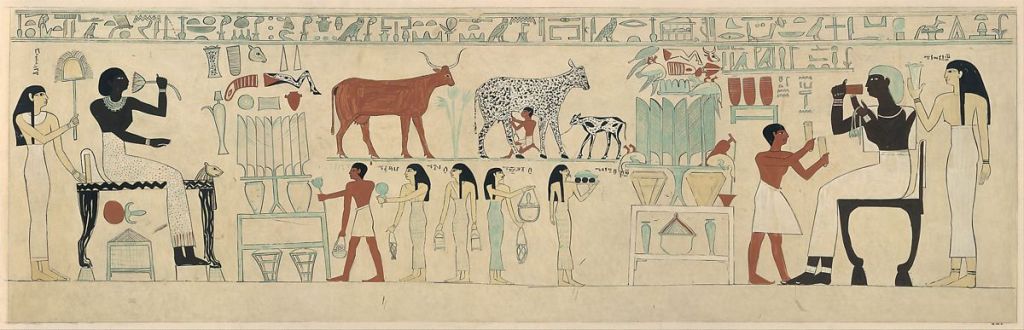
Charles K. Wilkinson
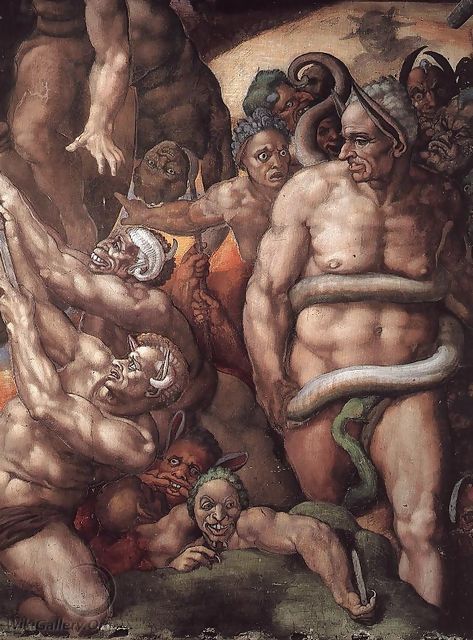
Following the Ancient Period, we see art become closer to what we recognize it as today. It first evolved to be more decorative with illuminated manuscripts. We see a major shift in materials as paper and canvas become more popular. We see this continue on into the 1600’s as art become more and more diverse. The Renaissance was one of the first time we saw artists being more deliberate with their personal touches expressed in the imagery they were creating. One example of this is in the sistine chapel we see Michelangelo’s The Last Judgement. During a walk through with Pope Paul III and Biagio da Cesena, Biagio a master of ceremonies at the Vatican commented that all the nudity was more fitting for a brothel than a chapel. Michelangelo did not appreciate this comment, so he painted Satan in Biagio’s image. Michelangelo had the freedom to put his own opinion into a story telling piece of art.


However, it wasn’t until Romanticism (1770-1850) when we started to see a shift in art from being purely imitation of life to more expressive and imaginative. The art was more dramatic in both look and subject matter. Art no longer imitated life, but it exaggerated life. Artists embraced expressing their individualism and the personal experience. Art started showing greater diversity in expressions and subject matter. It was the start of a major shift in art. Art got more and more personal. It shifted to what we think of art today where we no longer picture a hyper realistic portrait, but we picture the emotion, meaning, and artistic styles associated with certain artists.

Le Désespéré – Gustave Courbet 
The Soul of the Rose–John William Waterhouse
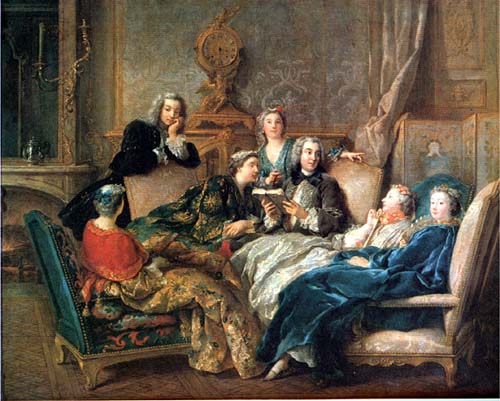
Art continued progressing and eventually became more political as society became more political. The expression of one’s individualism turned from one’s emotions into one thoughts and opinions. Art reflected what was going on at the time of its creation AND the artist’s opinions on what was happening. As society progressed, governments did as well. This usually meant more say rather than less as we got more and more contemporary. Due to the various agricultural and industrial revolutions, people had more time where they could focus on politics rather than just surviving to see the next sunrise. We see early examples of this with the Enlightenment predating Romanticism. New social and cultural institutions like French salons brought a new place of intellectual discussion for the non-governing and governing alike. People were encouraged to discuss their opinions and share.
Events like the French Revolution and American revolution provided a starting point of the people’s voice in politics. Freedom of expression and art are eternally linked. Once we start working with one the other is sure to follow. Art was merely a extension of this new found freedom of thought and new intellectual pursuits. Art became social commentary. You could make a statement with art and express your political views even if they contrasted the government. This notion became known as protest art, ands it became popular in the 20th century. However, there is debate in the art community exactly when it began. One hypothesis for why it became popular is because of the large anti-war movements happening . Rather than artists’s just voicing their opinion, they would illustrate their opinion as well. One example of anti-war art is Pablo Picasso’s Guernica
Protest art doesn’t just pertain to wars, but across all areas of the political spectrum. It has become increasingly prominent by current artists like Banksy, an anonymous street artist known for his social and political commentary through stencil art.
Unlike the past, artists don’t have to be the most touted painter of their time. They just have to make a statement with their work. The rise of protest art doesn’t even have to be art in a traditional form anymore because it has spread to the digital mediums. There has also been a rise in popularity of performance art as protest art. One example is the Russian group Pussy Riot who shares their political ideology through live performances and videos online.
With this shift to protest art and political art becoming the norm, many questions come up about what the future of art holds. What we view as art is changing, and so is the very essence of what makes up art itself (philosophy of art.) Society has pulled art with it. When society evolves, the relics involved also evolve, so when society allowed political freedom, that is when art became political. Art is a sign of the times.
For more info on the specific periods check out this timeline
 artally.art.blog