
Some things in life are inevitable. We can’t control time, so everything must age including art. The art we see now even looks different over time. Many famed older paintings look much different today than when the original artist played their last layer of varnish. Here are some popular paintings next to what it originally looked like.
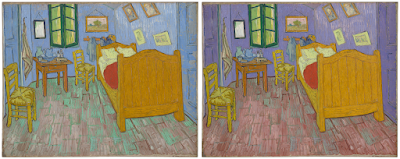
Although it has been theorized that Van Gogh was color blind, chemist’s determined the original color of the paint used in My Bedroom based off of a paint chip from the orginal.

With the rise in availability of art to the masses, viewers are now starting to ask what painting originaly looked like. This is where art restoration come into play. Art Restoration is the practice of returning art to its original state whether that means cleaning a dirt varnish, filling in chips, or repairing sections of the painting to make look as close to possible to how the artist saw it. Art Restoration is an art by itself and has been becoming increasingly popular online do to the satisfying nature of the before and after videos. Restoration and Conservation efforts are also constantly improving meaning painting that could not be restored 50 years ago are now able to thanks to scientific innovations.
However there is some debate on whether art should be restored or not. For many people, art is though to be timeless. However, aging affects the varnish of painting and their overall expereicne. Much of the debate regarding why we shouldn’t restore paintings focus on everyones unique experience with the painting.
The debate on both sides asks what is the essence of art. Is it the subject matter and the ideology behind a piece, or is it the experience? Some argue that art is indeed time sensitive. Part of the art is the experience and setting that you view it in. Someone’s perception of a piece is art is heavily affected by external factors. For example, being in two different shows with different names can affect the meaning of the piece for a viewer. If we allow these external factors to affect our viewing then time is no different. We experience pieces at different times and different points within our lives. As we age, we should allow art to age. Let the varnish yellow because it’s part of the experience of seeing an older painting. No one has the same experience, and we shouldn’t let them because art viewing is so individualized.
However, those on the other side of the debate after bring up trying to understand the artist’s perspective. They argue that we should see art as the artist intended. We should see how a painting looked when the artist finally decided the piece was done and put the paintbrush down. Van Gogh’s work might not’ve been appreciated until after he was dead, so why not see it as he originally intended.
Either way you fall on the debate, it is important to remember that not all art can and should be restored. For example, some artists specifically ask that their art is not restored to show that the art is aging and temporary. For other works of art, we don’t have the means to restore them yet. For example, DaVinci’s Mona Lisa was painted in an experimental painting medium making it very complicated to restore. A restoration attempt could possibly destroy the painting. However, if it is not restored its varnish will continue too yellow and the image could become completely clouded. Either way, art restoration is changing how we view art thanks to advances in the scientific field.
 artally.art.blog
Wow, I didn’t know that the Mona Lisa wasn’t painted with traditional oil paints!
LikeLiked by 1 person
If you want to watch a short video on it, Here is an interesting clip I found https://www.cnn.com/videos/world/2013/11/26/spc-inside-louvre-mona-lisa-restoration.cnn
LikeLike